23 Jun 2026
Tracing Reward Distribution Algorithms in Multiplayer Mobile Slot Tournaments
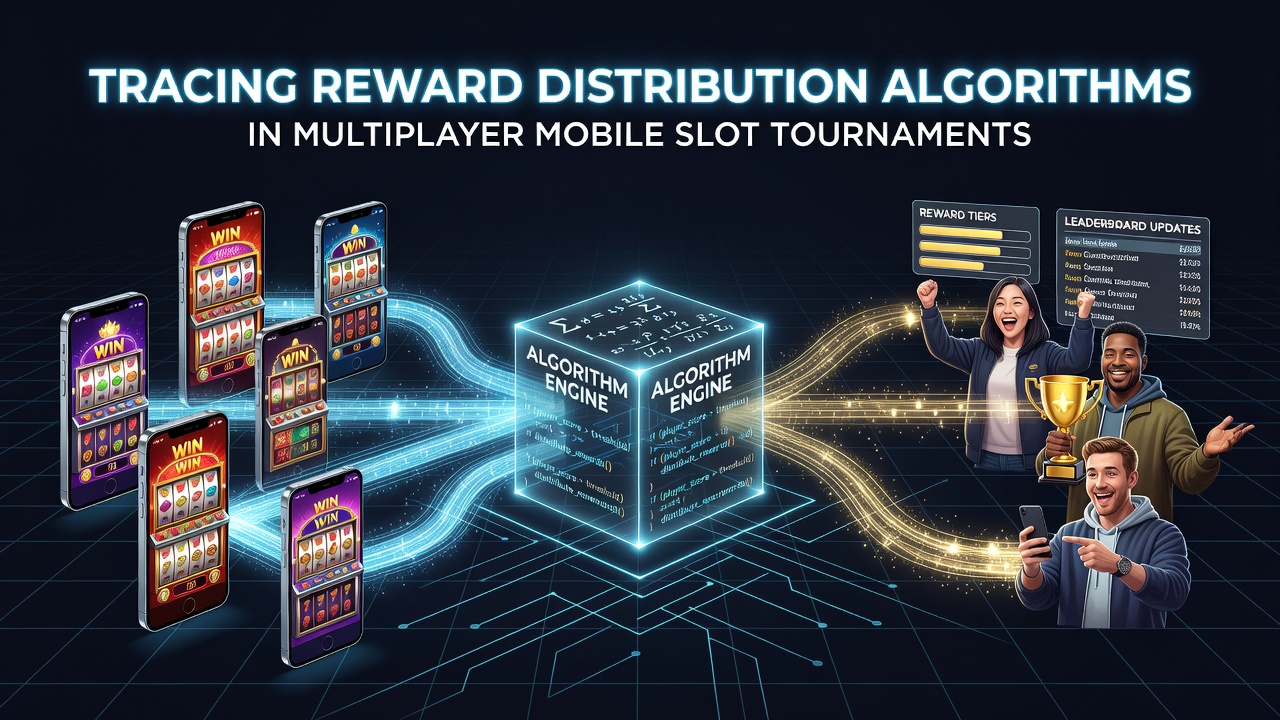
Multiplayer mobile slot tournaments rely on sophisticated reward distribution algorithms that allocate prizes based on player performance metrics collected in real time across distributed networks. These systems process thousands of concurrent sessions while maintaining fairness through weighted scoring models that account for bet size, spin frequency, and session duration. Data from industry reports indicate that by June 2026 mobile tournament participation had grown substantially with platforms handling millions of entries monthly.
Core Mechanics of Tournament Reward Systems
Algorithms begin by aggregating raw gameplay data into normalized scores where each spin contributes points adjusted by factors such as volatility level and jackpot contribution percentage. Developers implement tiered payout structures that distribute fixed prize pools proportionally among top ranks while reserving portions for random bonus awards triggered by specific achievement thresholds. Observers note that this hybrid approach prevents dominance by high-volume players and creates opportunities for broader participation.
Network synchronization plays a critical role because mobile connections vary widely in latency and packet loss. Systems incorporate buffering mechanisms that validate spin sequences server-side before updating leaderboards which reduces disputes and maintains integrity across regions. Research from the University of Nevada's International Gaming Institute has examined how these validation steps affect distribution outcomes in large-scale events.
Common Algorithm Types and Their Applications
Linear distribution models assign rewards strictly according to final ranking position with each successive place receiving a predetermined percentage of the total pool. Exponential models apply steeper curves that heavily favor the top few positions which suits high-stakes tournaments where organizers seek to maximize competitive tension. Hybrid algorithms combine both methods by allocating a base amount to all qualifying participants then layering performance bonuses on top.
Randomized elements appear in many implementations through seeded lottery draws that select secondary winners from lower ranks. These features rely on cryptographically secure random number generators certified by independent testing labs. Figures from the New Jersey Division of Gaming Enforcement reveal steady increases in certified mobile tournament software submissions through early 2026.
Mobile-Specific Considerations in Algorithm Design
Device diversity introduces variables that desktop systems rarely encounter. Algorithms adjust scoring for touch-screen input patterns and battery optimization modes that might pause background processes during extended play. Developers also factor in regional regulatory requirements that dictate minimum return-to-player percentages within tournament environments.
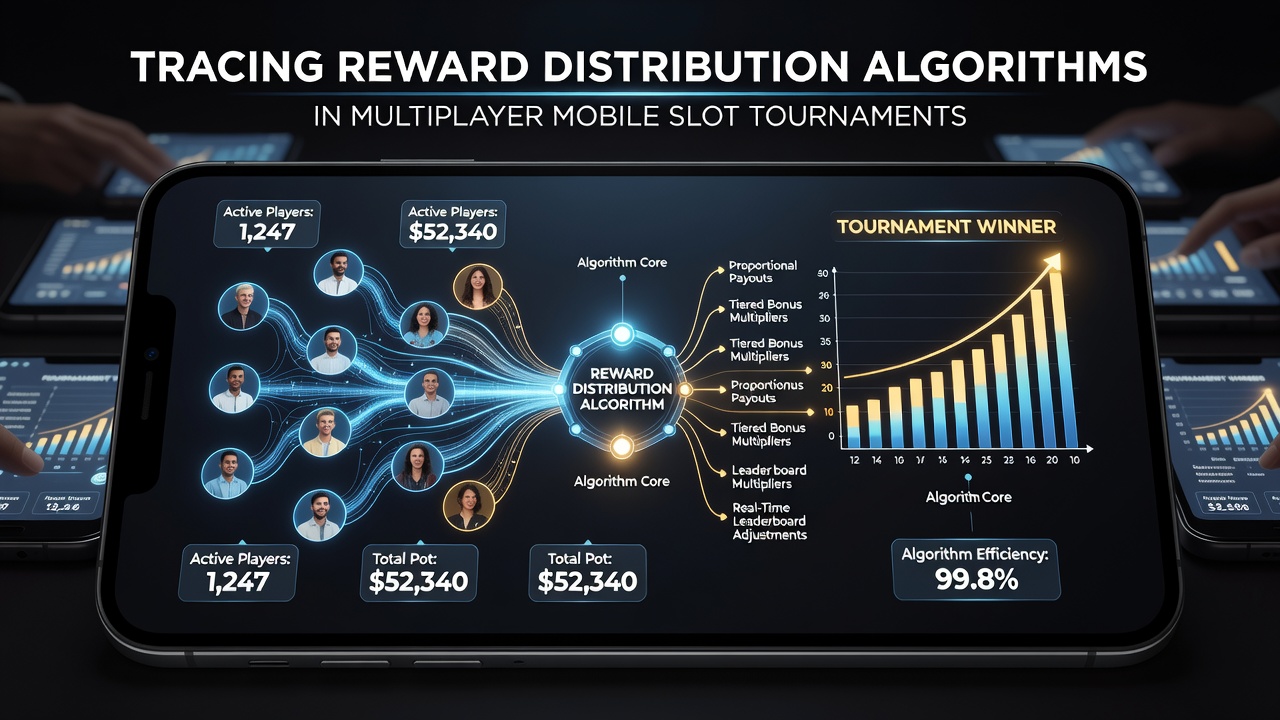
Push notification systems integrate directly with reward engines to alert players when their standing changes or when new prize tiers become available. Timing these alerts requires careful calibration because excessive messaging can reduce session length while insufficient contact leads to player drop-off. Studies tracking engagement patterns show correlations between notification cadence and overall tournament completion rates.
Security and Fairness Protocols
Anti-collusion measures form another layer within distribution algorithms. Pattern recognition tools flag coordinated play across multiple accounts by analyzing bet synchronization timing and score progression curves. Once identified these accounts face disqualification with redistributed prizes flowing to verified participants according to predefined rules.
Encryption standards protect both player data and the integrity of random outcome sequences during transmission. Regular audits conducted by accredited laboratories verify that distribution remains consistent with published parameters across different device types and operating systems. Those who have examined audit reports observe that discrepancies often trace back to client-side caching issues rather than core algorithmic flaws.
Conclusion
Reward distribution algorithms in multiplayer mobile slot tournaments continue evolving alongside advances in mobile connectivity and regulatory frameworks. Current implementations balance competitive incentives with accessibility features that accommodate varying player skill levels and connection qualities. As tournament volumes expand through 2026 these systems will likely incorporate additional machine learning components to refine prize allocation dynamically while preserving transparency and auditability.